Crown Prince Reza Pahlavi: A Legitimate Voice for Iran’s Future
Prince Reza Pahlavi’s January 2026 interview with The Economist exposed a gap between Western legitimacy tests and Iran’s authoritarian reality. His credibility is rooted in organic, high-risk support inside Iran and sustained diaspora mobilization, not elections the regime makes impossible. He frames his role as transitional and non-partisan: preventing chaos, securing a democratic process, and enabling free elections and a referendum on Iran’s future system.
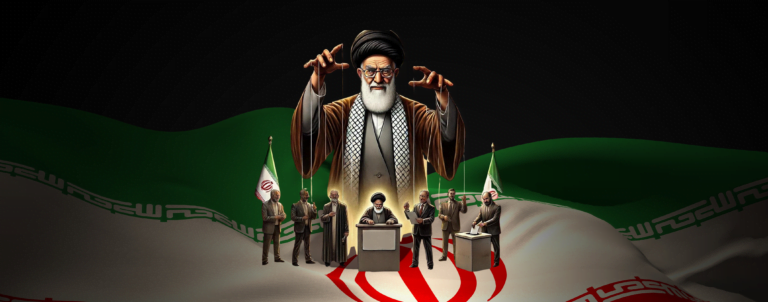
In a recent interview by The Economist on January 15, 2026, Prince Reza Pahlavi, the faced pointed questions about his legitimacy to lead a potential transition in Iran. The tone was notably hostile, with the interviewer pressing the Crown Prince on his popular support and role in a post-regime era, dismissing chants of his name as populist rhetoric and questioning why not all Iranians back him. Such skepticism overlooks the brutal realities of Iran’s current dictatorship and the Prince’s clear, pragmatic vision for a democratic Iran. Far from a self-appointed monarch, the Crown Prince positions himself as a neutral arbiter committed to guiding Iran toward free elections, drawing lessons from failed transitions in neighboring countries.
Legitimacy Under a Brutal Regime
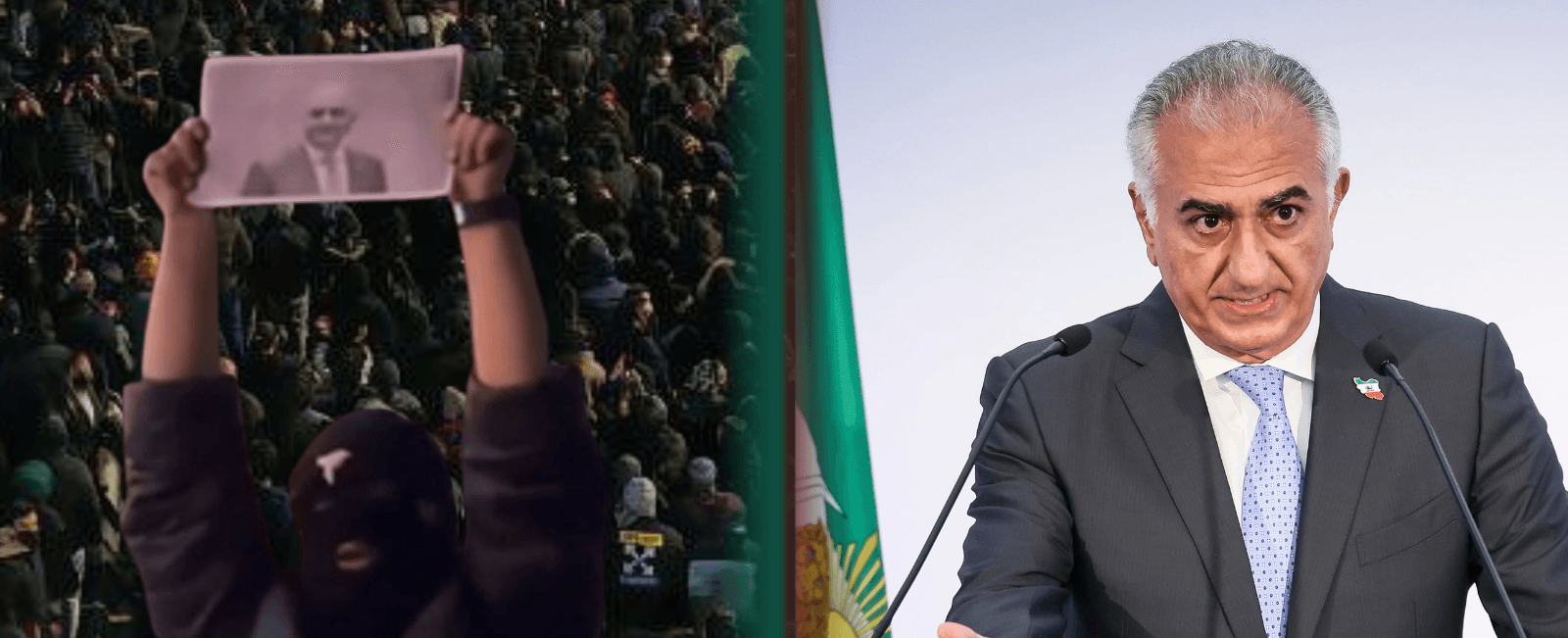
Iran has endured 46 years under the Islamic Republic, a regime characterized by systematic repression, sham elections, and violent crackdowns on dissent. With no genuine democratic mechanisms, citizens expressing political views face imprisonment, torture, or execution. In this environment, questioning the Crown Prince’s “legitimacy” as if it could be measured by a free vote is disingenuous at best. True legitimacy emerges from the streets, where protesters risk their lives chanting Javid Shah (Long Live the King) and Pahlavi Barmigardeh (Pahlavi Will Return). These slogans have echoed across nationwide demonstrations, transforming economic grievances into calls for regime change.
Inside Iran, where internet blackouts and surveillance stifle communication, the message of the Crown Prince still resonate. His social media posts once garnered tens of millions of views from within the country, a figure that plummeted only after regime-imposed restrictions—a testament to his domestic reach. Protesters invoking his name do so at immense personal peril, facing agents who film and identify participants for future reprisals. This organic, high-risk endorsement speaks volumes about the popularity of the Crown Prince in a nation starved of alternatives.
Beyond Iran’s borders, the Crown Prince has achieved what no other opposition figure has in nearly five decades: mobilizing a significant portion of the Iranian diaspora. An estimated 8 million Iranians live abroad, and they have rallied in unprecedented numbers in cities like London, Paris, Berlin, Toronto, Los Angeles, and beyond. These gatherings are not without danger; regime agents document attendees, threatening repercussions in future visits to Iran. Yet, thousands turn out, waving placards of Pahlavi and demanding the regime’s fall.
The Fallacy of Universal Support
One of the i more perplexing challenges of The Economist interviewer was: “Not all Iranians support you.” This is a strawman argument. No leader in history—democratic or otherwise—has enjoyed 100% backing. In Iran’s case, where the Islamic regime’s approval hovers in the single digits amid economic collapse and social unrest, the Crown Prince’s broad appeal is unique. The Economist’s focus on unanimity ignores the pluralistic nature of any healthy society and distracts from the Islamic regime’s illegitimacy.
Crown Prince Reza Pahlavi has repeatedly clarified his stance: He is not seeking to impose monarchy nor republic, but to facilitate freedom. “I am not here to advocate an outcome, but I am a bridge to that destination,” he has stated. His role would be transitional, ensuring no power vacuum leads to chaos, as seen in Iraq, Afghanistan, Libya, and Syria—countries he has studied extensively to inform his approach.
What sets Pahlavi apart is his transparency. Unlike vague opposition platforms, he has outlined a comprehensive 100-day plan for post-regime Iran. As a caretaker king or neutral arbiter, he would lead a temporary council to oversee:
- Security and Foreign Policy: Immediate termination of Iran’s military nuclear program, cessation of support for terrorist groups like Hezbollah and Hamas, and normalization of relations with Israel and the U.S. He proposes expanding the Abraham Accords into “Cyrus Accords,” fostering regional peace.
- Economy and Governance: Restoring property rights, stabilizing the currency, and reintegrating into global trade. Transparency in judiciary and social reforms would prioritize human rights and pluralism.
- Democratic Process: Free elections and a referendum on the government’s form—monarchy or republic—ensuring the people’s voice prevails.
This blueprint addresses economic, judicial, social, and foreign policy challenges, aiming to prevent internal war, mass migration, or spillover crises. No other opposition leader has been as adamant or detailed.
Why Pahlavi Matters Now
Reactions to The Economist‘s interview highlight a broader frustration: Many view the questioning as biased, erasing the Crown Prince’s support while amplifying regime narratives. Yet, he remains focused. “Change in Iran is ultimately in the hands of the people,” he told the Wall Street Journal, emphasizing his role as a helper, not a ruler.
In a nation on the brink, the Crown Prince offers hope—a bridge from barbarism to democracy. Dismissing him ignores the millions risking everything for a freer Iran. As protests swell, his vision is not just compelling; it is essential.